


















HOW IS A GHARCHOLA CRAFTED?
HOW IS A GHARCHOLA CRAFTED?
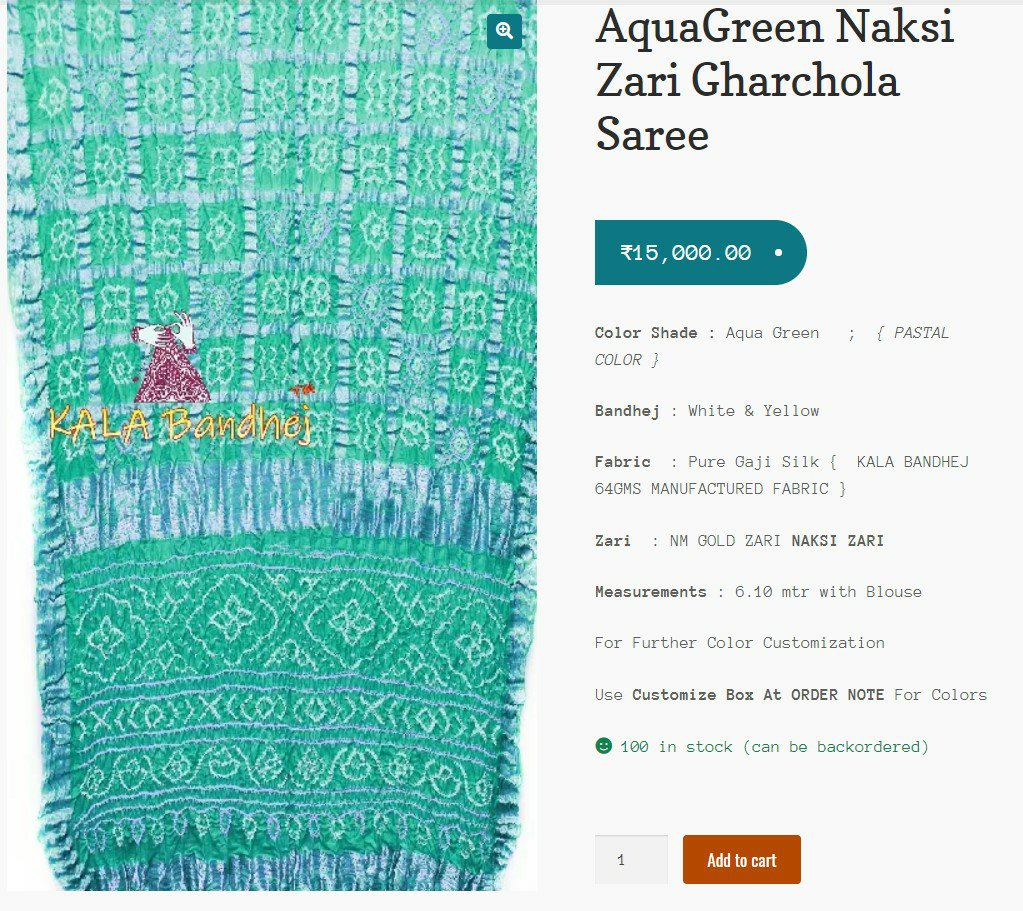
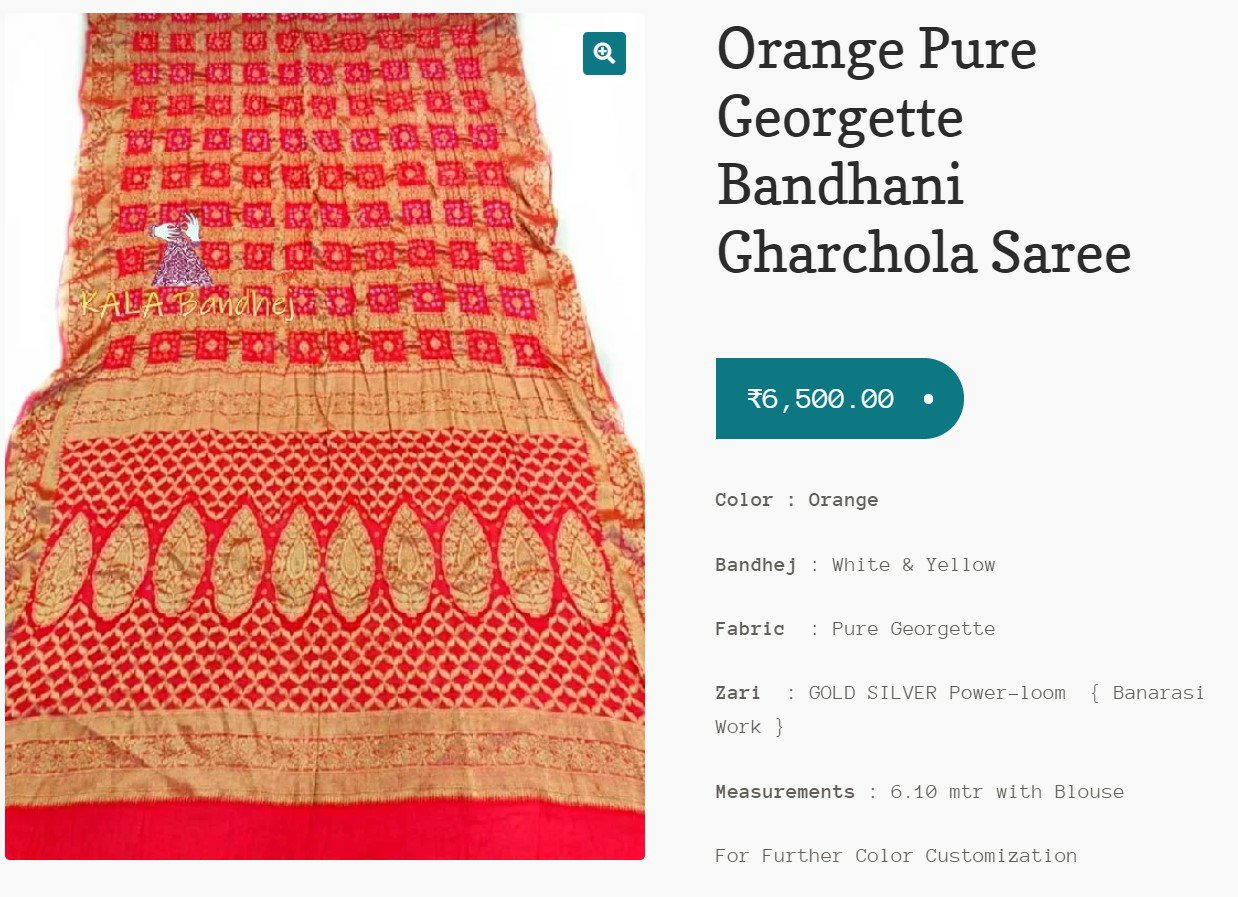
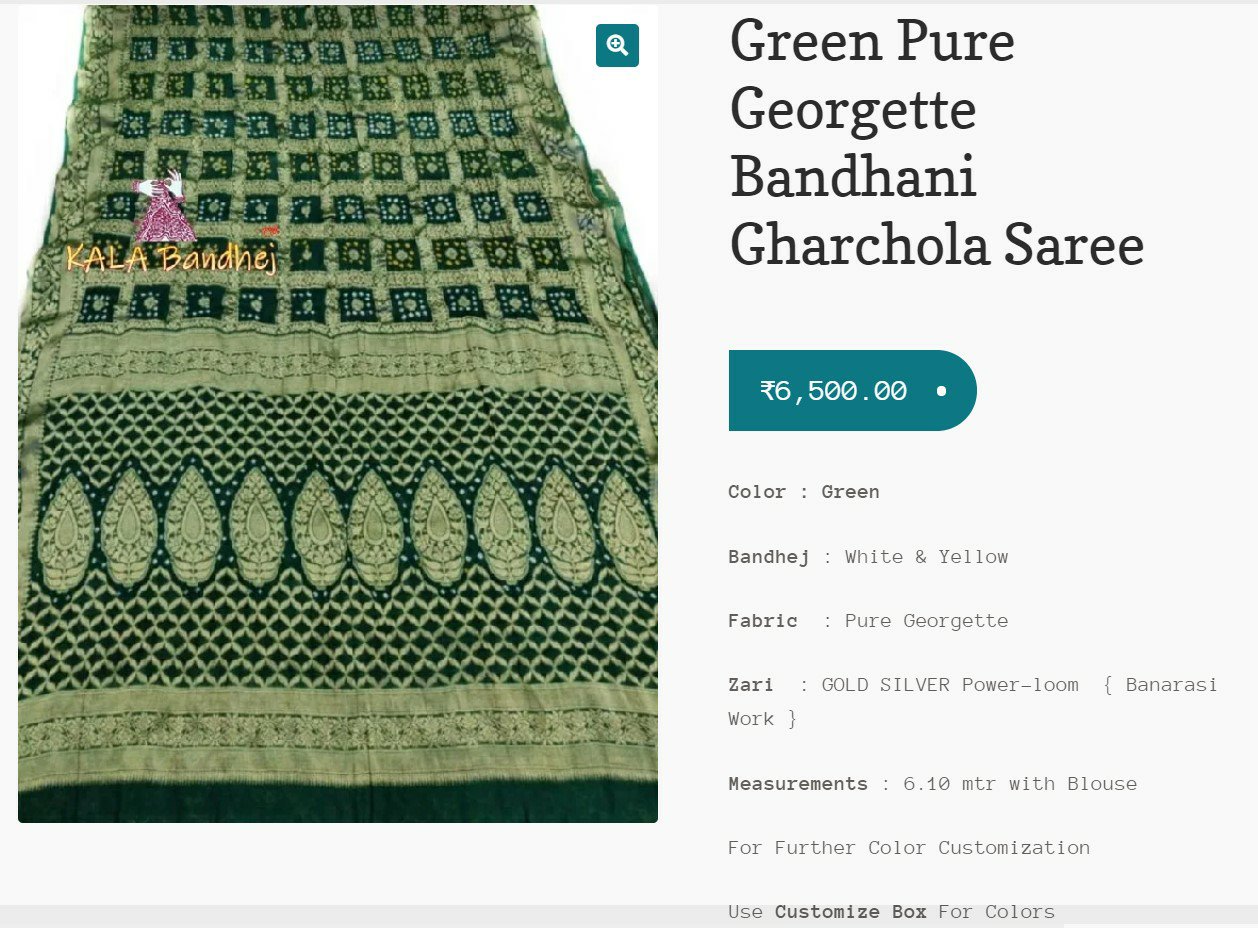
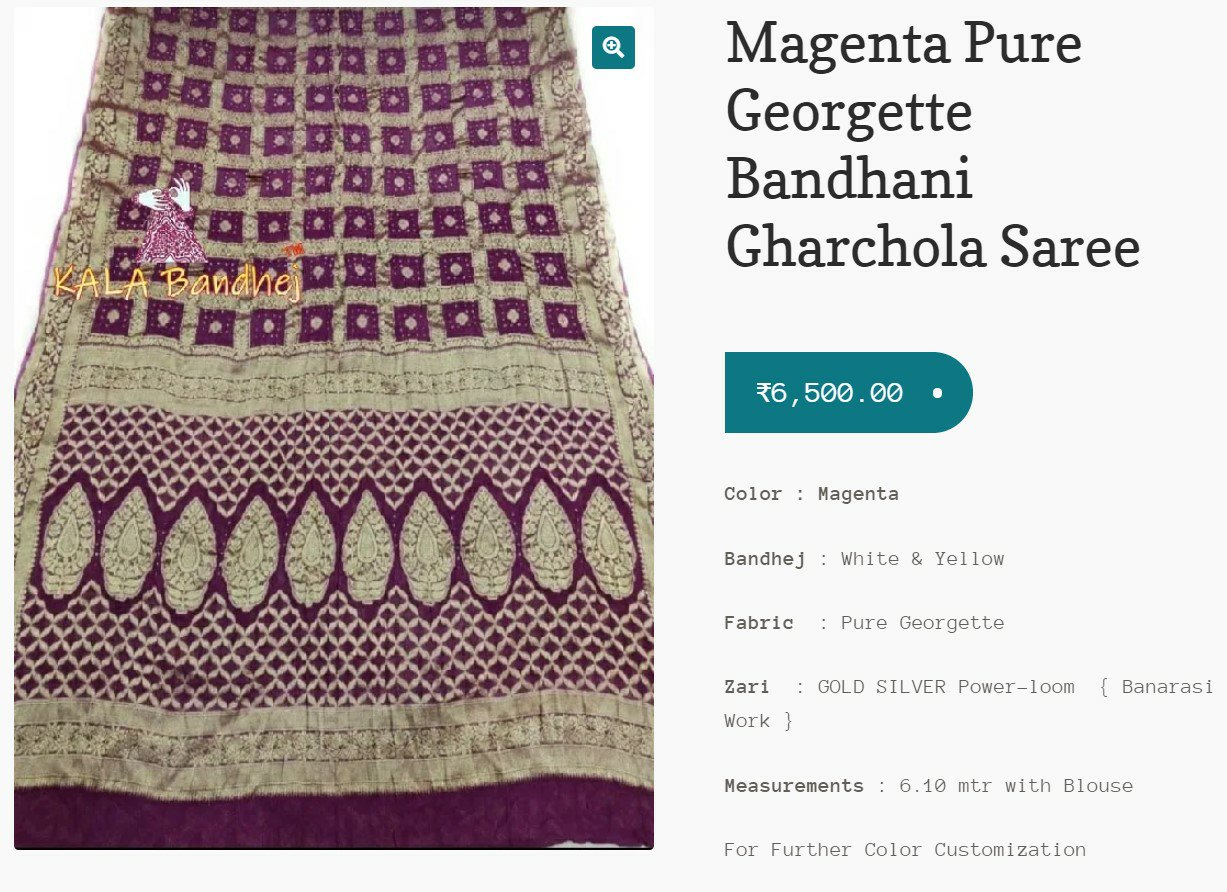
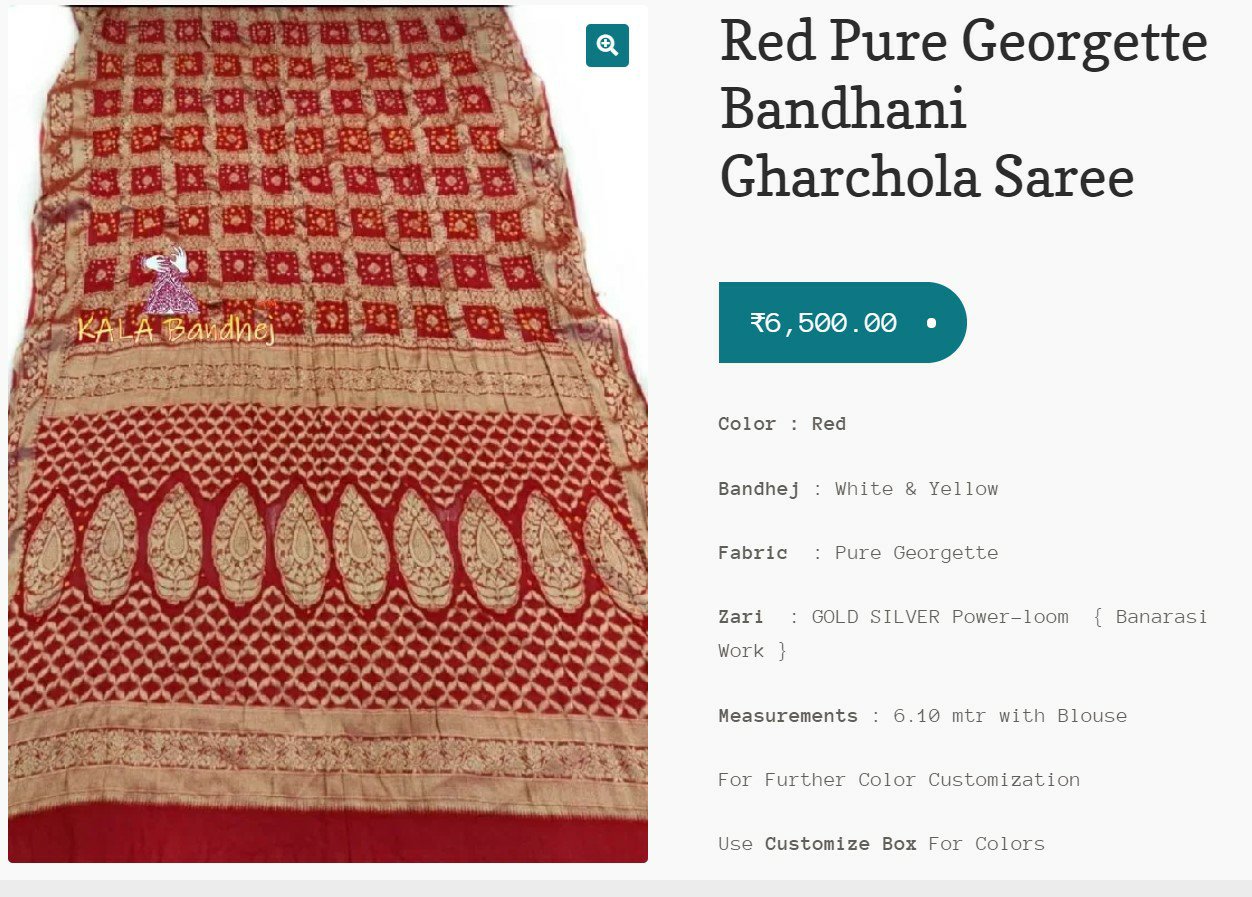
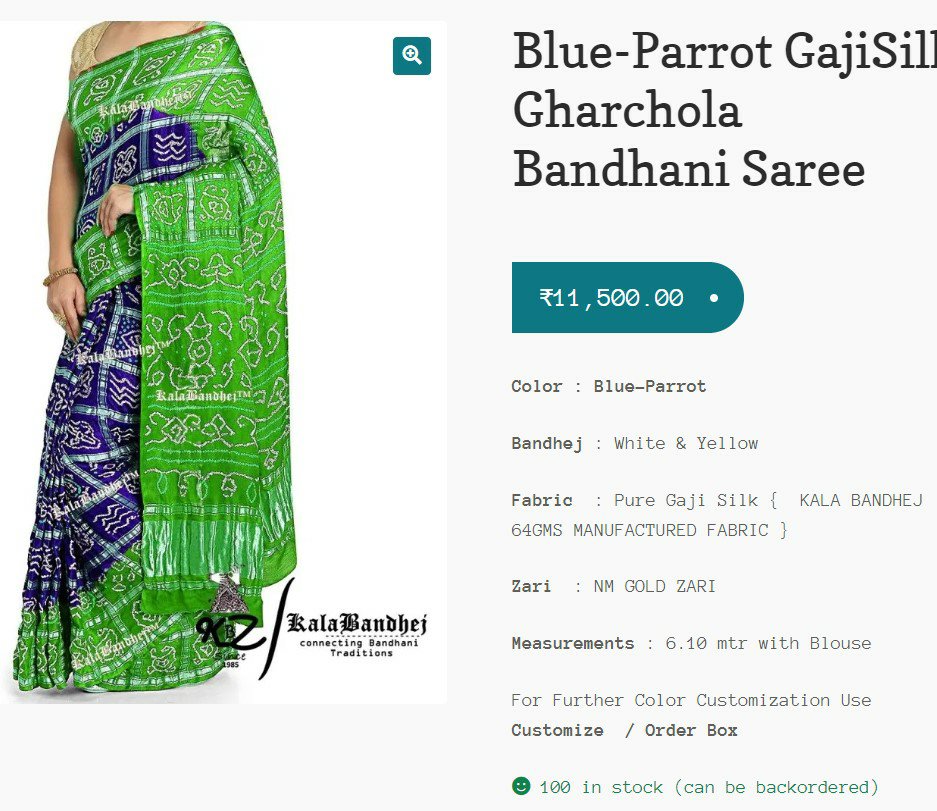
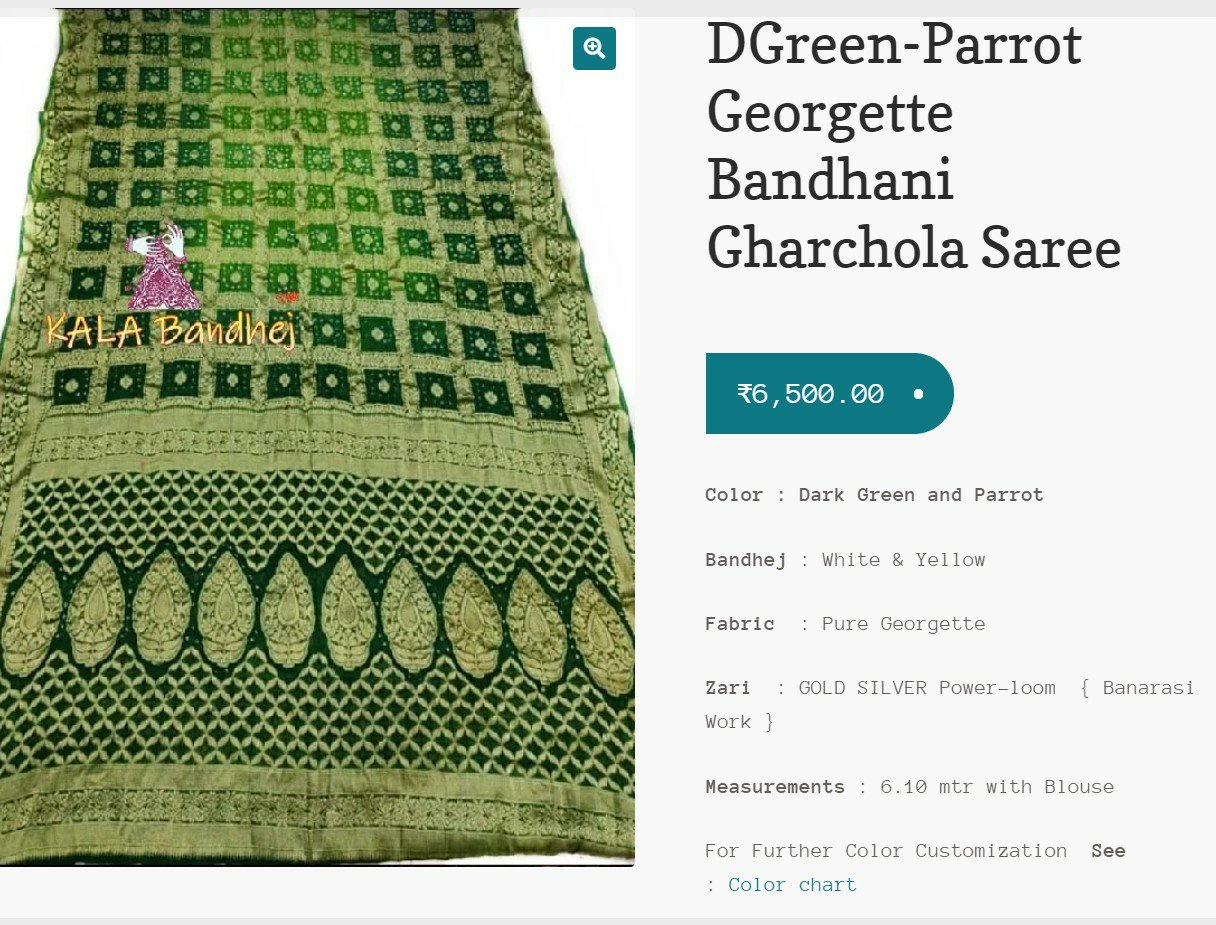
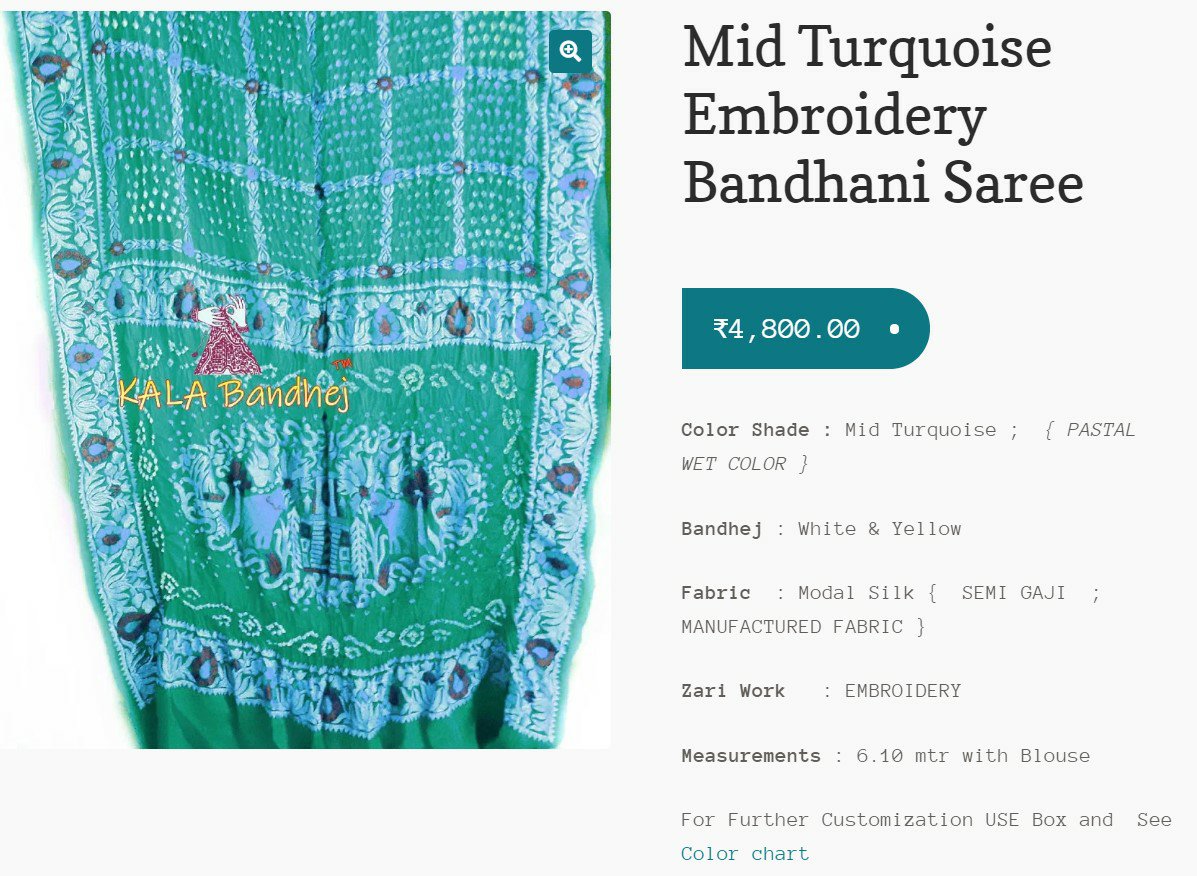
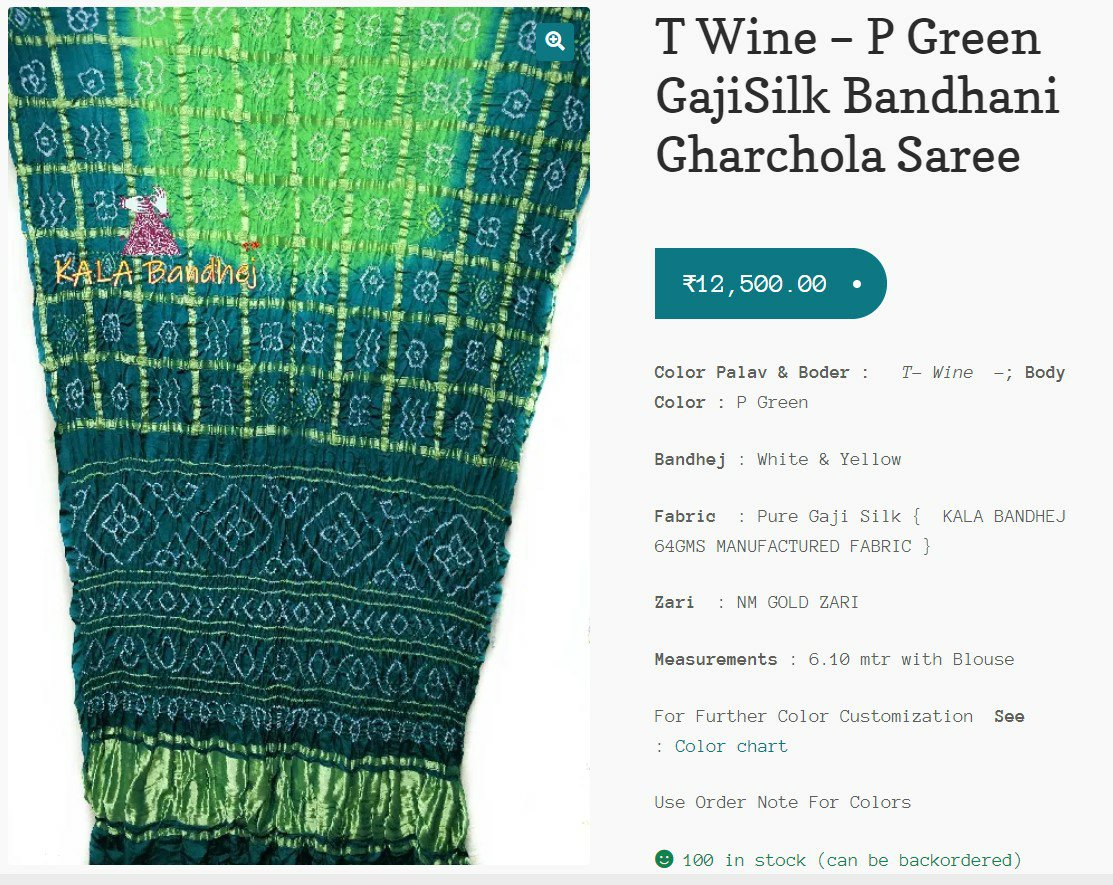
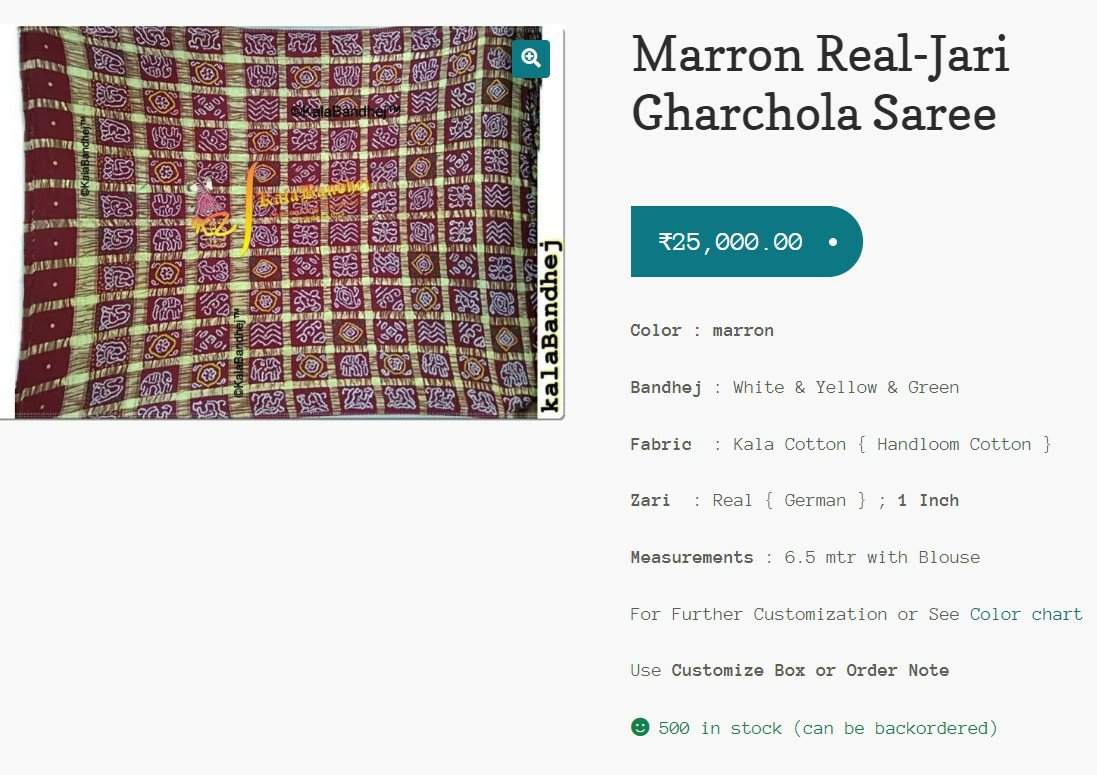
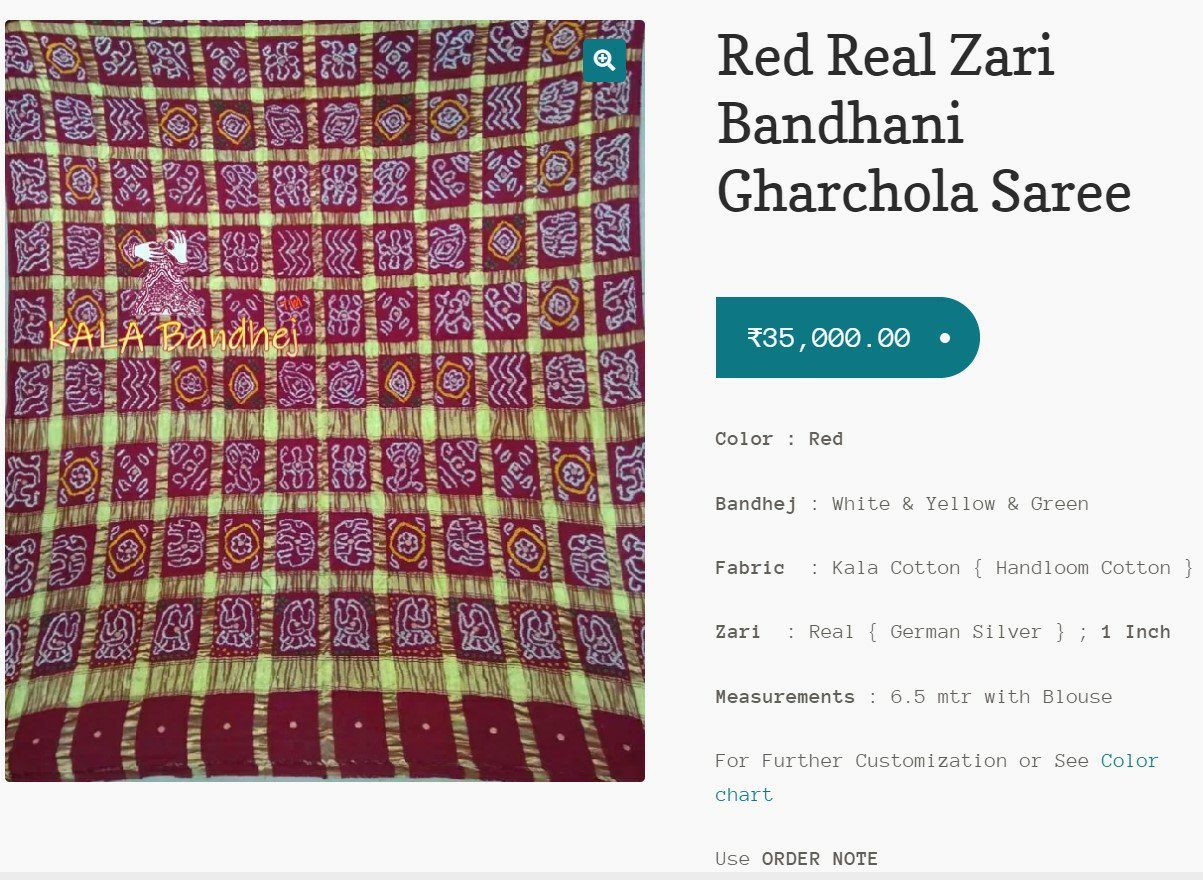
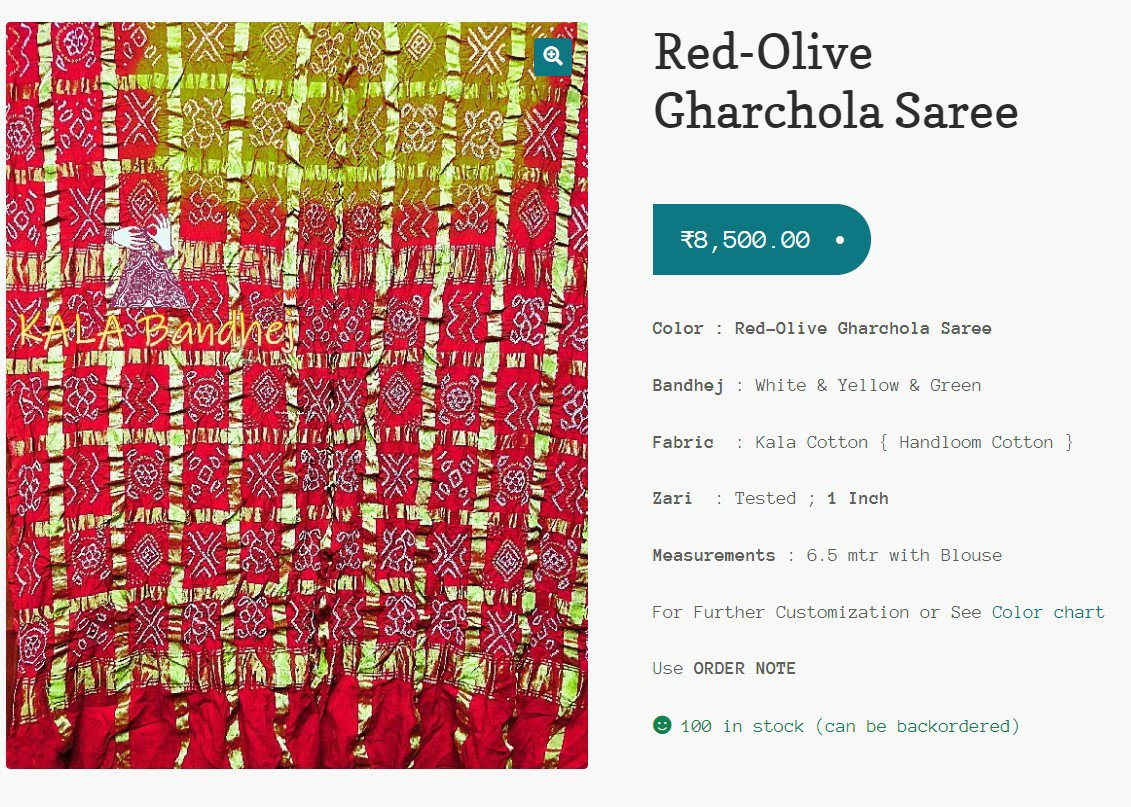
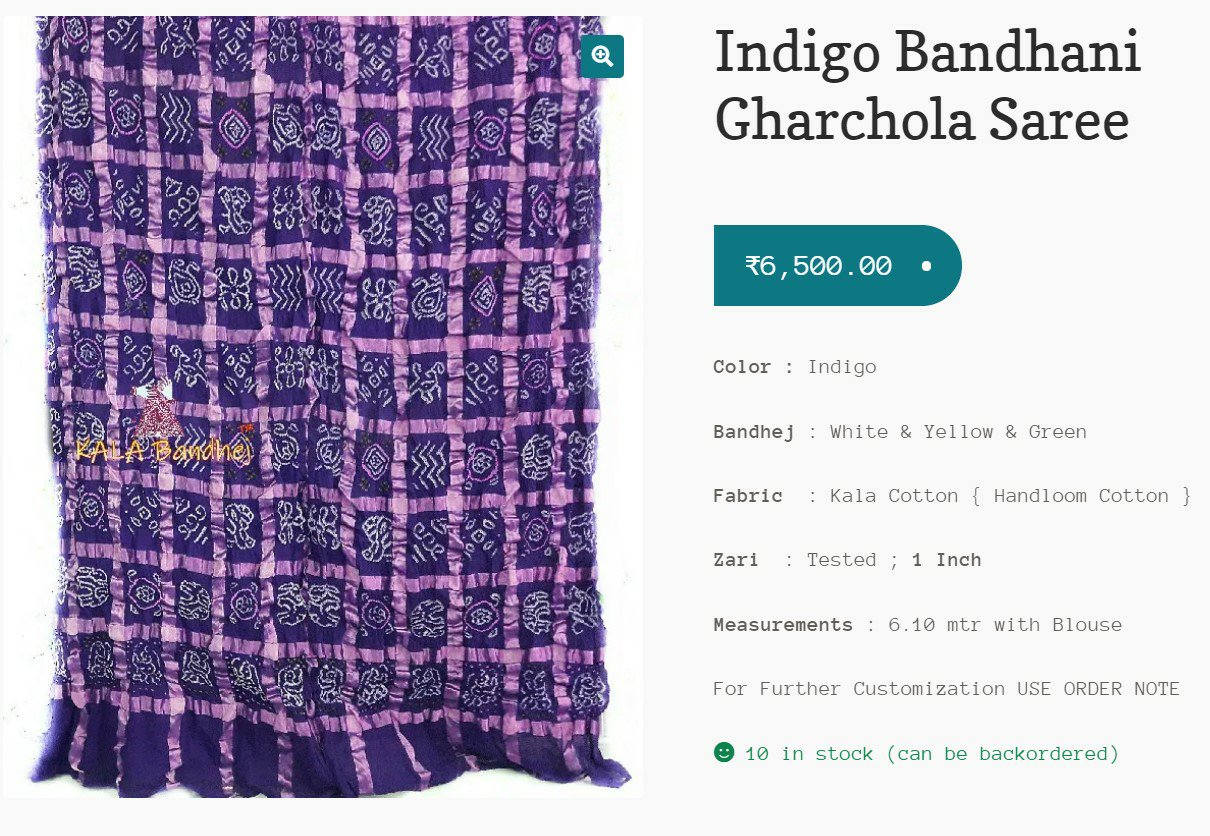
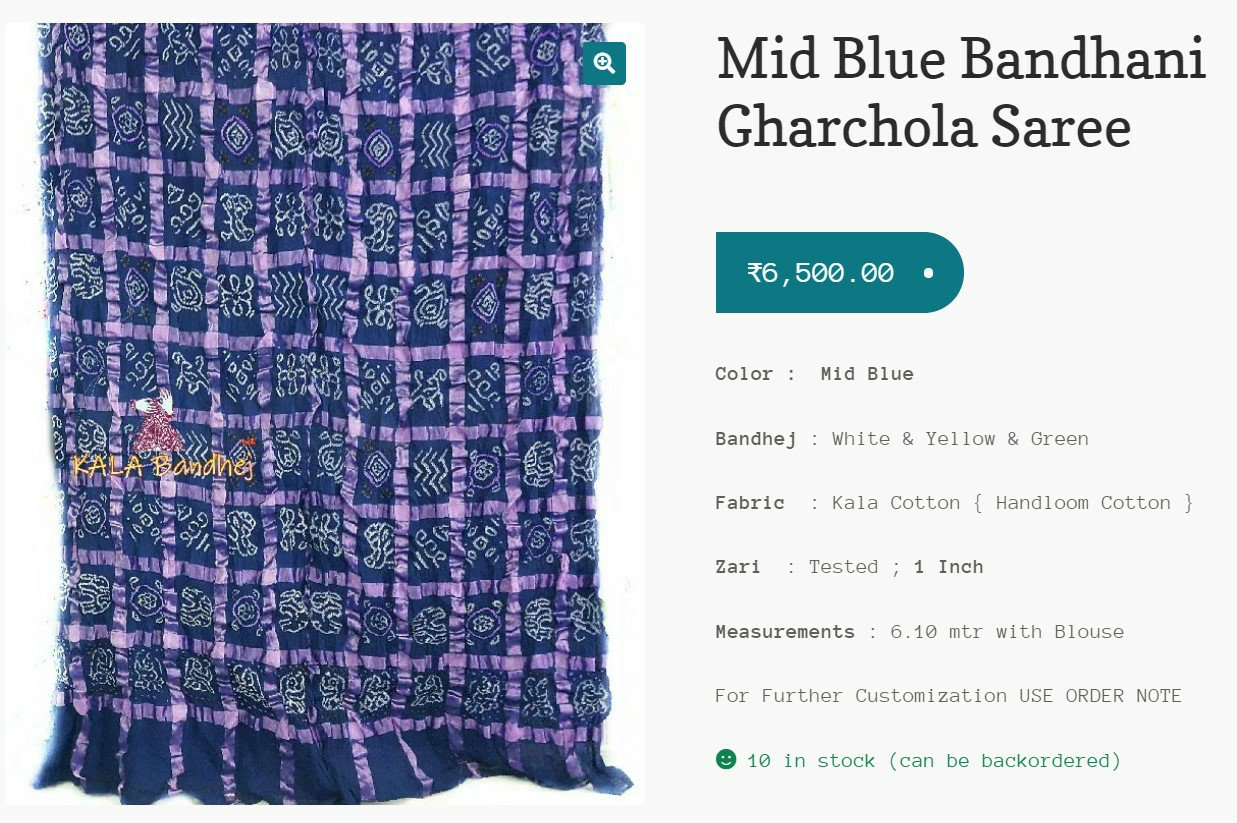
Traditionally, Gharcholas are made on the handloom. However, these days Gaji Silk Gharcholas are available avidly, and these often are not handloom crafted. In the original process, Gharchola saree is first woven using fabric and Zari threads to create the grid/ chequered pattern, thus producing a beautiful Zari checks saree.This base is then tied in such a way that each single box has a Bandhani motif. The saree is then dyed. Once embellished with Bandhani patterns, Gharchola is decorated further with intricate, hand embroidery. Sometimes, extra borders (bhrat) and pallu in green colour are also attached to the original Gharchola.
Click Now To Start Gharchola online Shopping

Share this:

ZARI IN GHARCHOLA
ZARI IN GHARCHOLA
Zari (the popular golden thread-weaving) is an integral part of every Gharchola creation. The gold-coloured threads are woven along with cotton/gaji silk/silk-blend yarn to create the wonderful characteristic grid-pattern. Each box in the grid of Gharchola has a Zari border. It may be thin or thick, as per the design, but it is always there. The final finish of the Zari may be a burnished gold or a muted, antique gold. Zari weaving is also done along the saree palav (pallu) and often on the borders. In ancient times, weavers used real gold threads to craft Zari for precious Gharcholas, which used to be extremely expensive. However, these days real silver yarn/threads are used in the real Zari. Purest Gharcholas are still made in real Zari.Pure mulberry silk is quite vulnerable, and thus would not withstand the multiple tying and dyeing process. Despite this, a handful of Gharcholas are made in silk too, but in such sarees, embroidered embellishments are the focal point (and not Bandhani). A Gharchola Saree with a real Zari is way more expensive than the commonly used Copper Zari. Platic Zari is also often used, nowadays, as it reduces the cost significantly. Real Zari, however, is quite sought after, as it has an heirloom value, and is also more resilient. These Gharcholas are preserved as lovingly as the wedding jewels. However, they are an investment, and may also be sold off, in dire times.
Click Now To Start Gharchola online Shopping
Share this:

WHICH FABRICS ARE USED TO CRAFT GHARCHOLAS ?
WHICH FABRICS ARE USED TO CRAFT GHARCHOLAS ?
Many wrongly believe that Gharcholas are always made in pure Silk. In fact, the ‘authentic’ traditional Gharcholas are rarely made in pure Silk. Venkatgiri Cotton is typically used by manufacturers to craft Gharchola. This rich cotton varietyhas a certain silk-like quality and sheen. This absorbent and resilient handloom fabric is sourced from the Southern India, specifically Andhra Pradesh. Some makers also use a rich Silk-Cotton blend. Other fabrics are avoided, as rich cottons and cotton blends absorb the natural dyes the best, which were initially used to craft these Bandhani Sarees.The draping of Odhani/Dupatta on the shoulders and head of a girl is also symbolic of the promise that comes with the Indian marriage – the promise that post marriage the groom and his family would take care of the bride – in every way. With this profound gesture, the mom-in-law takes the new bride under her wings!
Click Now To Start Gharchola online Shopping
Share this:

GHARCHOLA AND PANETAR
GHARCHOLA AND PANETAR
Panetar is the traditional wedding attire in Gujarat. It is the gift to bride from her maternal uncle. The characteristic red and white/ maroon and off-white saree or lehenga choli called Panetar is actually the wedding ensemble of the bride. Most Gujarati brides begin their wedding ceremony and rituals dressed in rich, heavily embellished Panetar. Gharchola, the gift from mother-in-law, is later draped, along-side Panetar (the wedding saree/ensemble), such that it goes over her head and shoulders.Pleated and tucked at the waist on one side, Gharchola is then draped such that its pallu falls over the shoulders of the bride. The loose end of the Gharchola is tied to the groom’s stole (white/pink coloured fabric), during wedding Pheras (Hindu marriage rituals). This tying together of Gharchola and groom’s stole signifies the beginning of the marital bond. Hence, Panetar and Gharchola are integrally linked.
Click Now To Start Gharchola online Shopping
Share this:

WHEN AND HOW IS A GHARCHOLA WORN?
WHEN AND HOW IS A GHARCHOLA WORN?
Gharcholas are wedding staples in the Indian states of Gujarat . The bride generally wears a Gharchola as an Odhani/ Chunar, draped over her head and across her shoulders. Gharcholas are wedding staples in the Indian states of Gujarat . The bride generally wears a Gharchola as an Odhani/ Chunar, draped over her head and across her shoulders. One end of Gharchola is pleated and tucked at the bride’s waist, on the left side.Then the other end is brought to her right shoulder, draping the saree from the back. Many contemporary brides do not drape the pallu over their head. The Pallu’s loose end that falls over the bride’s right shoulder is tied to the groom’s sacred stole, during wedding rituals.
Click Now To Start Gharchola online Shopping
Share this:

WHAT EXACTLY IS A GHARCHOLA?
WHAT EXACTLY IS A GHARCHOLA?
Gharchola is a saree, dupatta , khombhi or dressess to , traditionally used as a head/ shoulder drape, called as Odhani/ Chunari/ Chundari. Since it is a wedding apparel, it is usually in auspicious colours of red/ maroon and green/ yellow. A variant of the popular Bandhani saree, Gharchola is distinguishable by its typical grid pattern.
Click Now To Start Gharchola online Shopping
Share this:

THE ORIGIN OF GHARCHOLA
THE ORIGIN OF GHARCHOLA
Originating from the Kutch region of Gujarat, Gharcholas have been used for years in Gujarati weddings. Khambat was a very popular port and centre of trade in India, till about 16th century. Merchants from all over the world visited this important trading centre that was also famous for silk manufacturing. The weaving of Gharcholas is traced back to this port city.A sub-set of Bandhani (Indian tie and dye art), Gharchola was earliermade by traditional weavers and Bandhani workers. The dying process of Gharchola is historically associated with Bhuj, as it’s believed that the water quality of Bhuj is excellent for producing the rich red colours of Gharcholas.
Click Now To Start Gharchola online Shopping
ABOUT GHARCHOLA
ABOUT GHARCHOLA
When two people marry, two families too, invariably, marry! This stands especially true in the context of the Indian marriages, where a bride is traditionally considered the honour and grace of the family she marries into. Also, with marriage, the bride becomes an integral part of her new family – her security and respect, the new family’s responsibility.There are many cultural practices and religious/ ritualistic symbols associated with this integral aspect of Indian society. Gharchola is one of them! This auspicious wedding staple from the Indian states of Gujarat and Rajasthan has been used since years with this beautiful thought behind it.
Click Now To Start Gharchola online Shopping
WHAT DOES GHARCHOLA MEAN?
WHAT DOES GHARCHOLA MEAN?
Ghar+Chola – made of two words ‘ghar’ (home) and ‘chola’ (cape/clothing)– the word gharchola literally translates to ‘home apparel’ or the outfit worn at home. However, the contextual meaning of the word is more complex. Here ‘Ghar’ refers to the bride’s new home, her husband’s home. And, ‘Chola’ contextually means her wedding costume. The new bride enters her marital home wearing a Gharchola on her head and shoulders – implying she comes with everyone’s blessings and good wishes.
Click Now To Start Gharchola online Shopping

 GHARCHOLA